
Guide to Mastering Seasonal Fishing Techniques on Second Lake
Fishing Second Lake in the Adirondacks allows fishermen to target a variety of fish species. The lake is home to Atlantic salmon, lake trout, brook trout, rainbow trout, yellow perch, smallmouth bass, and largemouth bass. Second Lake is a captivating location within the Fulton Chain of Lakes, inviting fishermen to experience the beauty and bounty it has to offer.

Second Lake, an integral part of the Fulton Chain Lakes located in the town of Webb, Herkimer County, beckons fishermen to explore its diverse and scenic waters. Covering a surface area of 199.08 acres, Second Lake is located within the Black River watershed and has 3.38 miles of pristine shoreline.
Fishermen often launch their boats at the DEC hard launch off NY-Route 28 on the east end of Fourth Lake, accessing Second Lake through the connecting channel. As part of the Fulton Chain Lakes, Second Lake contributes to the interconnected water system that characterizes this region.
While its surface area is smaller compared to First Lake, Second Lake offers a more intimate and secluded fishing atmosphere. Second Lake is surrounded by the natural beauty of the area, creating a picturesque setting for anglers.
Learn more about NY’s best fishing hotspots.
At a glance
- Region: Adirondacks / Fulton Chain of Lakes
- Water type: Connected Adirondack lake with trout, salmon, bass, and perch fishing
- Best access styles: Boat access via the Fourth Lake/Inlet system, plus shoreline and canoe access in select areas
- Best-known fisheries: Atlantic salmon, lake trout, brook trout, rainbow trout
- Other common targets: Smallmouth bass, largemouth bass, yellow perch, sunfish
- Regulations: Region 5 special fishing regulations apply in the Fulton Chain
- Last reviewed: February 2026
Key species in Second Lake
These FishNY guides are good starting points for Second Lake:
Best techniques for Second Lake
Seasonal Fishing Techniques by Species
Spring (March to May):
As the ice thaws and spring emerges, Second Lake becomes a favorite fishing spot for anglers targeting various species. During this period, fishing for lake trout and brook trout on Second Lake is a primary focus.
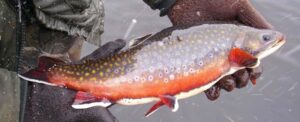
Concentrate efforts near rocky structures and drop-offs where these cold-water species seek refuge. Utilize live baits like nightcrawlers and minnows to entice bites.
Fishermen can also experiment with artificial lures, such as spoons or spinners, to mimic the erratic movements of prey. Use light to medium-weight spinning gear for precision casting in these early months.
Summer (June to August):
Summer on Second Lake brings a vibrant underwater world, attracting largemouth bass, smallmouth bass, perch, and sunfish enthusiasts. Bass, in particular, becomes a focal point, and anglers find success fishing with artificial baits like plastic worms, crankbaits, and topwater lures.
Docks serve as strategic locations for casting, where the predatory bass often lurk. For those seeking larger prizes like lake trout, employing downriggers, dipsey divers, jet divers, snap weights or lead-core lines becomes crucial.
Trolling with large bait patterns at varying depths allows exploration of the thermocline where lake trout are commonly found. Experimenting with retrieval speeds and occasional pauses can mimic wounded prey, triggering strikes.
Perch and sunfish, abundant in the warmer months, are often enticed by live bait such as worms or small minnows. Employ light tackle, such as ultralight spinning rods, for finesse presentations around weed beds and submerged structures.
Fall (September to November):
As temperatures cool, fall ushers in a season of change for Second Lake fishing. Lake trout once again take center stage, and anglers shift to vertical jigging techniques. Focus on submerged structures and adjust jigging depths based on water temperature.
Trolling remains effective, with an emphasis on shallower areas as the lake cools. “Snap-jigging,” for lake trout is best accomplished by casting a jig (your artificial fish) and then quickly lifting your rod. This snap motion mimics a fleeing fish, which is attractive to lake trout, as well as other species like bass and walleye. The key is a swift wrist flick, ideal around fishing hotspots like rocks or weeds. It’s easy for all skill levels. Try it and watch the fish flock to your line!
Brook Trout may become more active in the fall, and fly fishing enthusiasts can use nymphs and streamers, imitating natural prey. Lighter tackle and stealthy presentations enhance success.
Winter (December to February):
When winter blankets Second Lake ice fishing becomes the favored angling activity and intrepid anglers venture out for ice fishing adventures. Lake Trout continues to be a prized catch during this season. Armed with gas, electric, or hand augers, ice fishermen drill holes strategically in areas of varying depths and deploy tip-ups furnished with live bait like smelt or minnows.

Jigging with lures mimicking injured baitfish, such as tube jigs or blade baits, proves effective in enticing these cold-water predators. Fish finders are essential tools for locating lake trout beneath the ice, ensuring a successful and enjoyable winter ice fishing experience on Second Lake.

As the ice fishing season progresses, targeting panfish like sunfish and perch can be rewarding. Tiny jigs tipped with maggots or soft plastics can attract these smaller but abundant species. Ice fishing rods with sensitive tips aid in detecting subtle bites in the frigid waters.
What Second Lake is Known For
- Fulton Chain trout and salmon water: Second Lake is especially known for Atlantic salmon, lake trout, brook trout, and rainbow trout.
- Boat-access fishing: The lake is reached through the Fourth Lake/Inlet access system.
- Connected-lake structure: The channel connections make the lake part of a larger Adirondack fishing system.
- Mixed species fishing: Bass and perch round out the coldwater fishery.
Remove the “intimate and secluded fishing atmosphere,” “picturesque setting,” and canal-history language.

Boat Ramps, Boat Launches, Marinas, and Public Access Points
Second Lake access should be described through the Fulton Chain launch system and the Inlet/Fourth Lake connection. Keep the main access path simple and remove the scenic/tourism language.


