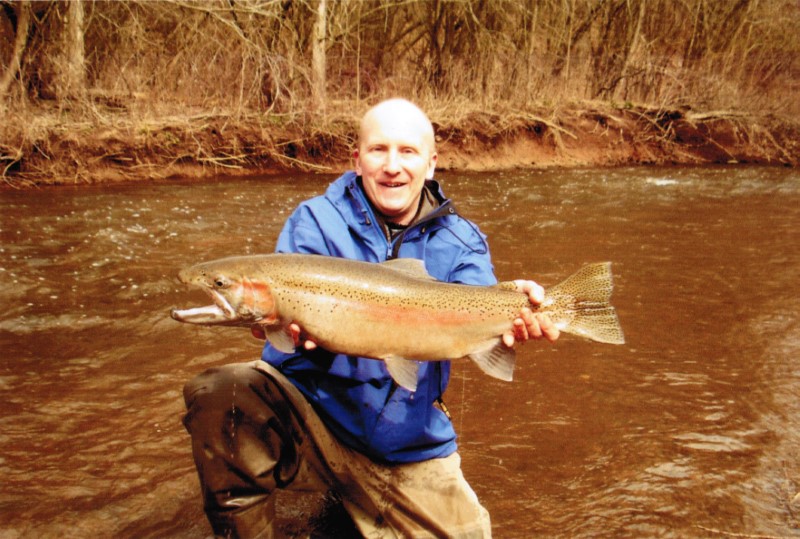
Fishing Lake Ontario Tributaries Seasonal Tips, Records & Access
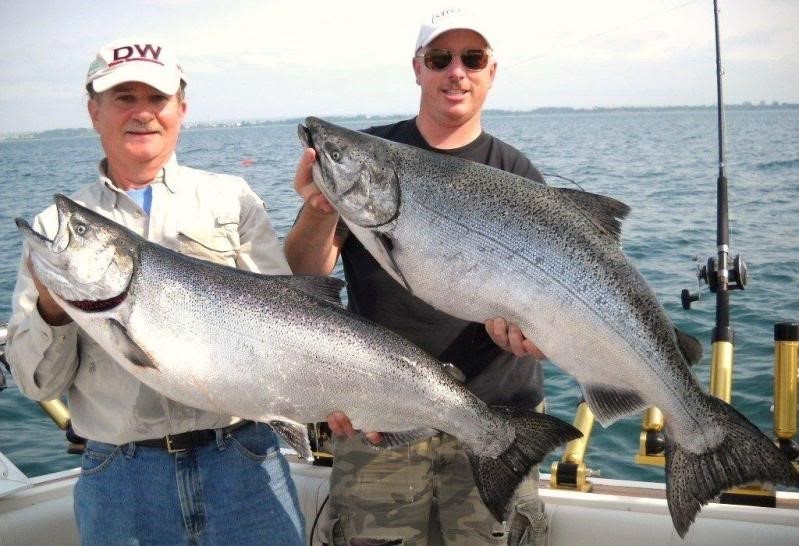
Popular tributaries for salmon fishing include the Genesee River, Sandy Creek, Oak Orchard Creek, Eighteen Mile Creek, Lower Niagara River, Oswego River, North and South Sandy Pond, and the Black River. These tributaries, each with its unique characteristics, draw anglers from near and far during the salmon and trout runs. Additionally, major watersheds such as the Salmon River, Oak Orchard Creek, and Irondequoit Creek contribute to the overall health of Lake Ontario’s fishery.
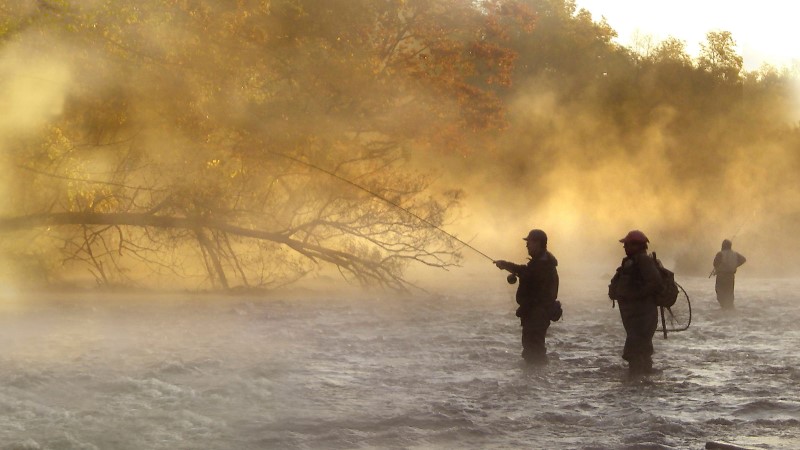
Lake Ontario, bordered by counties and towns in New York and Ontario, Canada, is a hub for anglers seeking to capitalize on the rich fishing opportunities offered by these tributaries. Notable towns and cities such as Olcott, NY, Wolcott, NY, Rochester, NY, Mexico, NY, Oswego, NY, Pulaski, NY, Sackets Harbor, NY, Watertown, NY, Kingston ON, Oshawa, Toronto, ON, Mississauga, ON, Oakville, ON, Burlington, ON, Hamilton, ON, and St. Catharines, ON are among those that dot the shoreline, providing access points for anglers eager to explore the renowned salmon and trout fisheries.
At a glance
- Region: Western NY, North Country, and Ontario tributaries
- Water type: Great Lakes tributary system with major salmon and trout runs
- Best access styles: Shore fishing, wading, drift fishing, and selective boat access
- Best-known fisheries: Chinook salmon, coho salmon, Atlantic salmon, brown trout, rainbow trout, steelhead
- Other common targets: Walleye, northern pike, bluegill, smallmouth bass in some tributaries
- Regulations: Great Lakes and Tributaries Special Regulations apply in key sections
- Last reviewed: February 2026
Key tributaries and species in the Lake Ontario tributary system
These are the main waters anglers usually mean when they talk about Lake Ontario tributary fishing:
- Niagara River
- Oswego River
- Genesee River
- Black River
- Salmon River
- Eighteen Mile Creek
- Oak Orchard Creek
- Sandy Creek
- Little Sandy Creek
- Irondequoit Creek
Best techniques for Lake Ontario tributaries
- Shore fishing
- Wading
- Fly fishing
- Spin fishing
- Drift fishing
- Trolling
- Bait fishing
- Night fishing in allowed sections
What are tributaries and why are they important to Lake Ontario?
Tributaries are smaller rivers and streams that feed into Lake Ontario. They matter because they provide spawning habitat, movement corridors, and seasonal fishing opportunities for salmon and trout. DEC also uses tributary-specific regulations in many of these waters.
Tributaries, also known as affluents, are smaller rivers or streams that “feed” a larger body of water like Lake Ontario. The point where they meet the lake is called the confluence, and the main body receiving their flow is the mainstem. These freshwater arteries play a vital role in Lake Ontario’s well-being by:
- Replenishing water levels: During dry periods, tributaries ensure the lake maintains its healthy volume.
- Delivering nutrients: They carry vital nutrients and sediments that nourish the lake’s ecosystem, supporting diverse plant and animal life.
- Providing critical habitat: Lake Ontario’s tributaries serve as spawning grounds and nurseries for numerous fish species, ensuring Lake Ontario’s fish population thrives.
- Enhancing fishing opportunities: Lake Ontario’s tributaries offer fantastic fishing opportunities throughout the year.
Best Lake Ontario Tributaries For Fishing
Let’s explore some of the major tributaries that make Lake Ontario a fisherman’s paradise:
- Niagara River (New York/Ontario): Famed for the mighty Niagara Falls, this behemoth offers world-class salmon and trout fishing, especially during spring and fall migrations.
- Oswego River (New York): A haven for steelhead, brown trout, and Chinook salmon, particularly during spring runs driven by the release of hatchery fish.
- Trent River (Ontario): This extensive system delivers fish species including bass, walleye, and even muskellunge, depending on the specific tributary.
- Genesee River (New York): Known for its salmon and trout runs, the Genesee River offers year-round fishing with distinct seasonal peaks.
- Black River (New York): Salmon and steelhead reign supreme in this tributary, attracting anglers during spring and fall runs.
- Salmon River (New York): A premier salmonid fishery, it draws crowds for its incredible runs of Chinook, steelhead, and brown trout.
- Don River (Ontario): Primarily an urban river, it surprisingly offers decent salmon and trout fishing opportunities, especially during fall runs.
- Credit River (Ontario): Salmon, trout, and even bass can be found in the Credit River providing convenient fishing close to major cities.
- Humber River (Ontario): This urban tributary offers surprising salmon and trout fishing, particularly during fall runs near the lake.
- Rouge River (Ontario): Salmon and trout enthusiasts flock to this river during fall runs, offering a convenient urban fishing option.
- Eighteen Mile Creek (New York): A popular steelhead and brown trout fishery, particularly during spring and fall runs.
- Sandy Creek (New York): Known for its salmon and trout, especially during spring and fall runs, though smaller than some other tributaries.
- Oak Orchard Creek (New York): Steelhead and brown trout dominate this fishery, with peak seasons in spring and fall.
- Little Sandy Creek (New York): This smaller tributary harbors a dedicated following for its steelhead and brown trout fishing, especially during spring runs.
- Irondequoit Creek (New York): While smaller, it offers decent steelhead and brown trout fishing, particularly during spring and fall runs.
Seasonal Fishing Techniques
Spring (April – June)
Spring on Lake Ontario and its tributaries marks the beginning of an exciting fishing season, especially for salmon and brown trout anglers. As April arrives, the salmon bite starts to build, peaking from late July through early September.
During this period, salmon feed aggressively ahead of their spawning runs, providing excellent opportunities for both fly and spin anglers. Brown and lake trout are also active in spring, with the lake’s shorelines and tributary mouths becoming productive zones for various fishing approaches.
Anglers targeting brown trout often have success with spinning rods and reels, using simple setups or trolling methods. Fly fishers can also find success with streamers and weighted trout flies, particularly when paired with a 6- or 7-weight fly rod and a reliable fly reel capable of handling hard runs in open water.
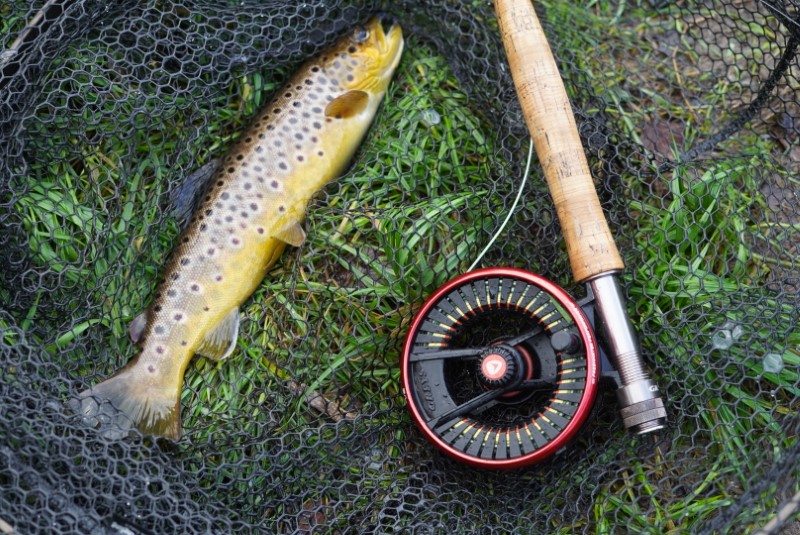
Lake trout, known for their size and power, hold deeper in the colder water. They respond well to lures bounced near the bottom on medium to heavy spinning gear, though advanced fly anglers may also find success using full-sink lines and large streamers. With so many techniques available, Lake Ontario in spring offers a practical environment for anglers of all experience levels to build confidence and refine their skills.
Summer (July – September)
Summer on Lake Ontario presents fantastic opportunities for anglers, particularly those with a passion for salmon fishing. The salmon peak season, extending into early September grants ample time for enthusiasts to pursue these prized catches. As the season progresses, the focus shifts to the lake’s tributaries, offering a dynamic and diverse fishing experience.
While trolling and casting near the lake’s surface are effective techniques during the initial peak season, transitioning to the tributaries opens up new possibilities. In the summertime, when the fish are in deeper water, trolling remains a viable option. However, as the salmon move into the lake’s tributaries, anglers can explore alternative methods such as drift fishing, fly fishing, or spinning.
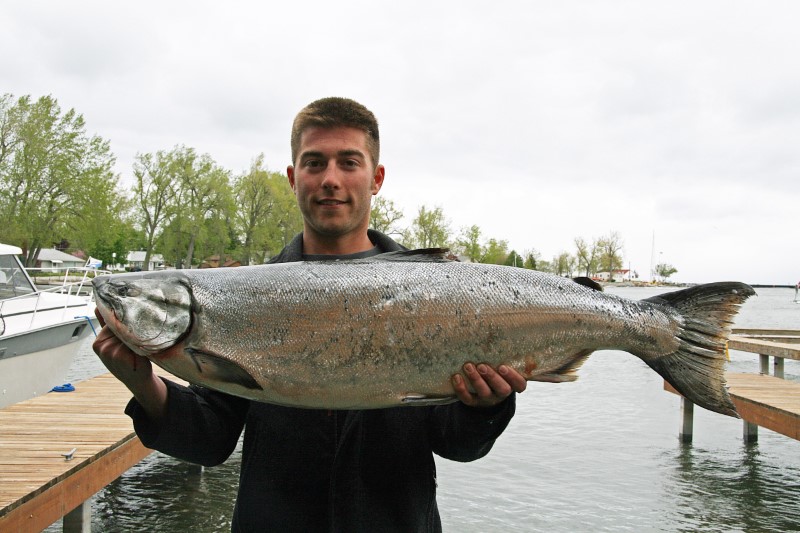
Lake Ontario isn’t just home to salmon; it also boasts significant populations of brown and lake trout. For anglers seeking a trophy catch, lake trout in the impressive 30–40 pound range are a common occurrence. It’s worth noting that larger lake trout are often released for conservation reasons, contributing to the sustainability of the fishery.
As summer progresses, keep an eye out for coho salmon and, less frequently, Atlantic Salmon. The tributaries become vital areas for fishing success, providing a unique environment for various techniques. Whether you’re drawn to the thrill of salmon fishing or prefer the more relaxed pursuit of trout, Lake Ontario in the summer promises a diverse and rewarding fishing experience.
Fall (October – November)
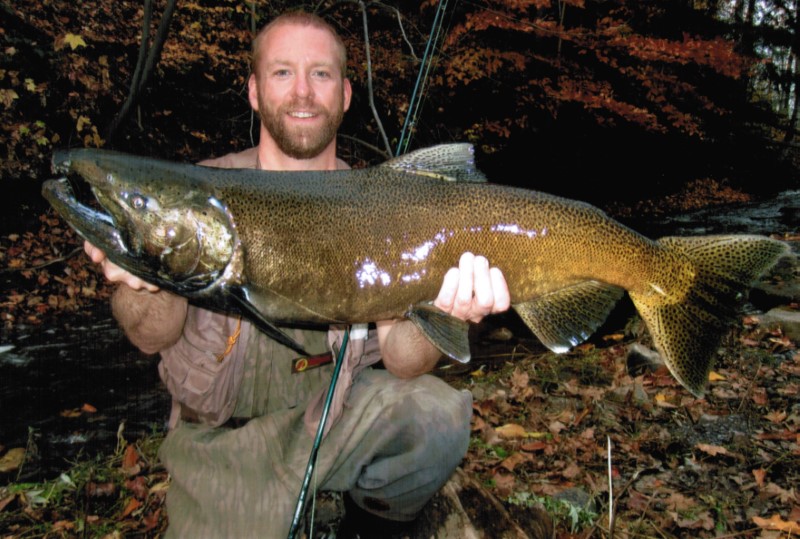
Fall on Lake Ontario witnesses a surge in fishing activity, particularly for salmon enthusiasts. As salmon begin their journey back to spawning grounds, October and November present a favorable window for Lake Ontario Tributary fishing.
Precision becomes essential during this period, with planer boards and j-plugs replacing downriggers to adapt to the evolving behavior of salmon heading towards the tributary mouth. Trolling remains a key technique, enhanced with attractors like flashers and dodgers to align with salmon’s dynamic feeding patterns before spawning.
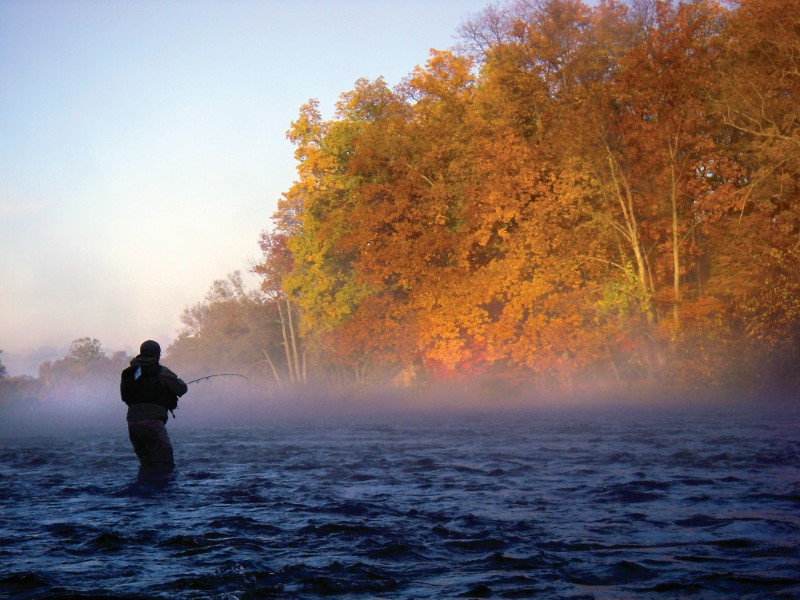
Amidst the salmon focus, trout fishing continues to be rewarding. Brown and lake trout maintain healthy populations, with productive areas including shorelines and tributary mouths for brown trout and colder waters for lake trout.
Adjusting lure depth, experimenting with bait colors, and trolling with downriggers are effective strategies for targeting trout. Fall on Lake Ontario offers prime conditions for anglers to capitalize on the salmon run and enjoy fruitful trout fishing amidst the vibrant autumn scenery.
Winter (December – March)
Winter can be a great time to target Lake Ontario’s tributaries, for methods such as ice fishing, offering a unique but equally exciting angling experience. While the lake is known for its salmon and trout seasons, winter brings opportunities for a variety of species in the tributaries such as walleye, northern pike, and bluegill.
However, anglers should be aware of seasonal regulations, such as those in Little Sandy Creek (one of Lake Ontario’s tributaries) in Oswego County. Fishing is prohibited from March 16 to April 30 in this area. Overall, winter fishing on Lake Ontario tributaries can yield catches of different species, providing a unique and challenging adventure for those who brave the cold temperatures.
What Lake Ontario Tributaries are Known For
- Seasonal salmon runs: Chinook and coho salmon are the headline species in many Lake Ontario tributaries.
- Steelhead and brown trout: Several tributaries are known for strong spring and fall trout fishing.
- Shore and wade fishing: Many tributaries are most productive from shore or while wading.
- Regulation-specific fisheries: DEC uses tributary-specific rules on many of these waters.
Boat Ramps, Boat Launches, Marinas, and Public Access Points
Access varies widely by tributary. For the most reliable trip planning, use DEC’s county launch pages and tributary-specific pages for the water you plan to fish.
- NYSDEC: Great Lakes and Tributaries Special Regulations
- NYSDEC: Lake Ontario Tributary Fishing in Jefferson County
- NYSDEC: Steelhead Fishing in Lake Ontario Tributaries
- NYSDEC: Pacific Salmon Fishing in Lake Ontario Tributaries