
Explore Raquette Lake: Fishing Seasons, Records, Tactics & Access Points
The various fish species inhabiting Raquette Lake include largemouth and smallmouth bass, northern pike, sunfish, brook trout, land-locked salmon, rainbow trout, lake trout, chain pickerel, perch, bullhead, whitefish, smelt, and suckers. An annual stocking of lake trout and brook trout adds to the appeal of fishing in Raquette Lake, ensuring a sustainable population of these prized species.
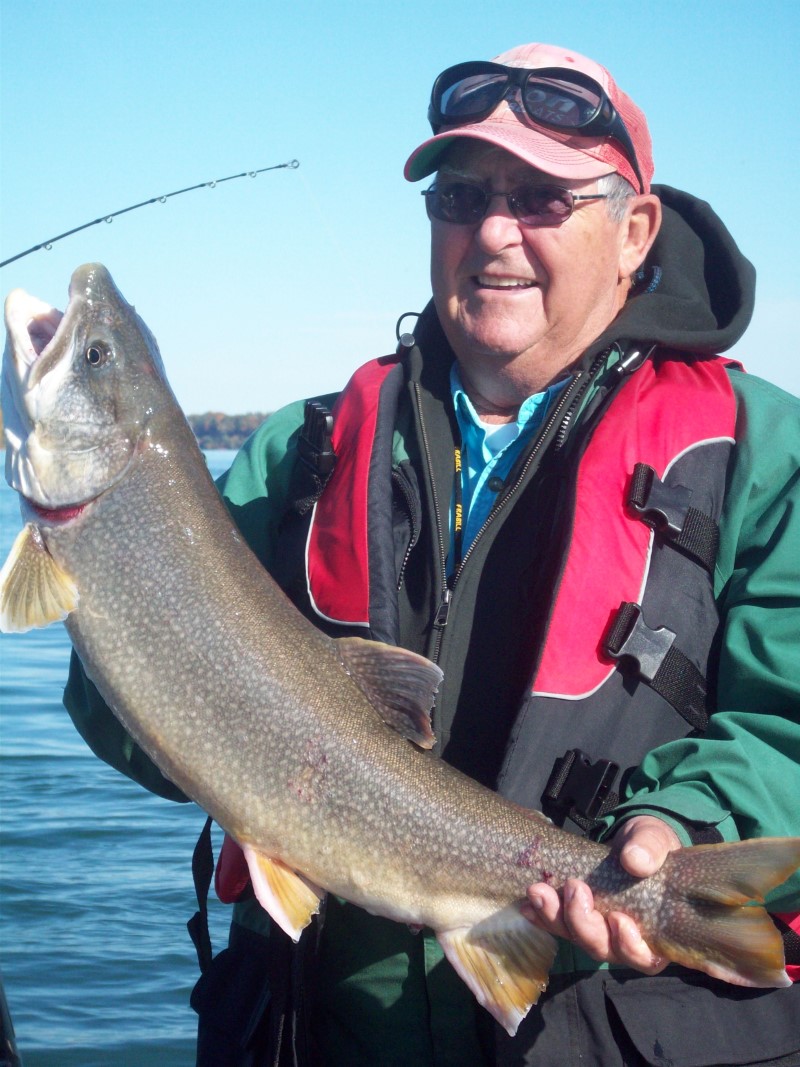
Raquette Lake, in the heart of the Adirondack Mountains in Hamilton County in New York State, stands out as one of the best fishing destinations in the region. Spanning approximately six miles in length with an impressive 99 miles of shoreline, it proudly claims the title of the largest natural lake in the Central Adirondacks. The lake’s maximum depth just under 100 feet adds to its appeal for fishing enthusiasts.
Northeast of the town of Inlet and south of Long Lake, Raquette Lake serves as a NY fishing hotspot for fishermen of all ages. Raquette Lake is connected to Long Lake, forming a water system that holds a variety of species.
Click to find more of NY’s best fishing spots.
At a glance
- Region: Adirondacks / Hamilton County
- Water type: Large natural Adirondack lake with trout, salmon, bass, and perch fishing
- Best access styles: Main village launch, campground hand launch, and boat access
- Best-known fisheries: Lake trout, brook trout, smallmouth bass, landlocked salmon
- Other common targets: Yellow perch, brown bullhead, whitefish, smelt, sunfish
- Regulations: Region 5 special regulations apply, including ice-fishing rules
- Last reviewed: February 2026
Key species in Raquette Lake
These FishNY guides are a good starting point for Raquette Lake:
- Lake Trout
- Brook Trout
- Landlocked Salmon
- Smallmouth Bass
- Yellow Perch
- Largemouth Bass
- Northern Pike
- Brown Bullhead / Catfish
- Whitefish
- Smelt
Best techniques for Raquette Lake
Seasonal Fishing Techniques
Spring (March to May)
As the spring thaw commences on Raquette Lake, brook trout take the spotlight. Head to the lake’s inlet streams, where cooler temperatures prevail, and brook trout become more active.

In spring it is best to cast near the shoreline with artificial lures simulating insects or opt for live bait presentations. Brook trout are known to feed on insects and smaller fish during their spawning season. Light spinning rods and spinning reels with 4-6 lb test braid line can enhance your chances of a successful catch.
Summer (June to July)
During the summer on Raquette Lake, the best time to catch largemouth bass is at dawn and dusk. Use a strategic approach by targeting areas with submerged structures such as fallen trees and underwater vegetation, where bass often hide. A fish finder or sonar device can help locate these structures and detect fish activity below the surface.
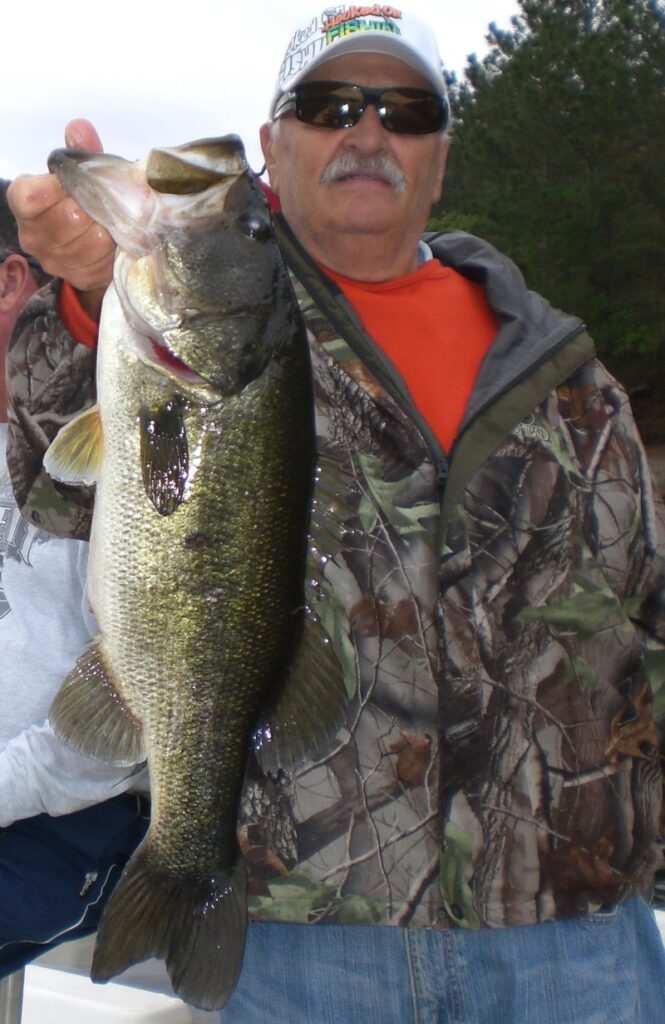
Local anglers have reported great success using topwater lures in frog patterns, recieving huge top water blow ups. Alternatively, choose the finesse of plastic worms and jigs for deeper presentations.
Fall (August to November)
As fall sets in on Raquette Lake, it’s time to focus on lake trout fishing. Head to the Raquette Lake’s deeper spots and underwater slopes, where the trout prefer cooler waters. Use downriggers to control your lure depth, mimicking the small fish they like to eat.
The northern portion of the lake between Green Point and Bluff Point is the deepest part of the lake with a large hole reaching 90 to 100 feet deep. Pay attention to water temperature changes to figure out the best depth for lake trout. Fall is a season that requires careful planning to present your lures just right for a successful fishing trip on Raquette Lake.
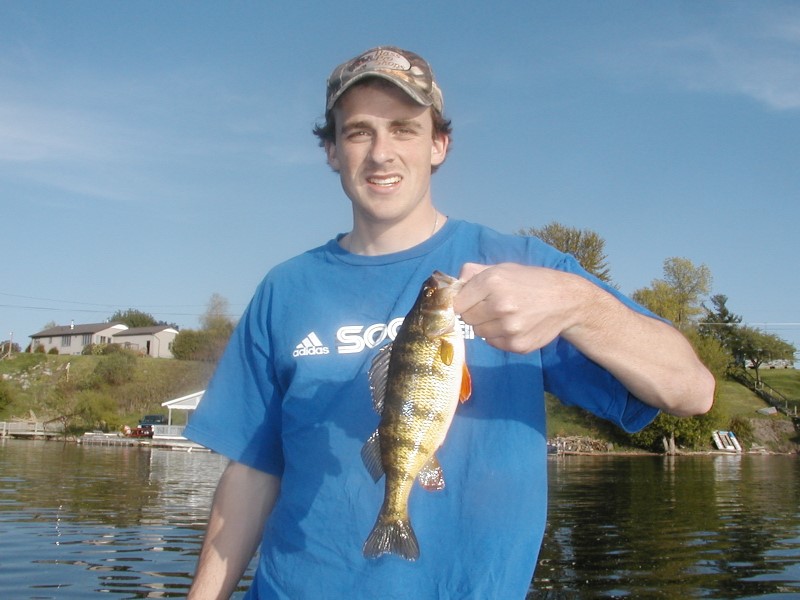
In the fall, yellow perch are active in Raquette Lake and can be found in shallow areas, especially near rocky zones and weed edges.
Use light coarse tackle with small jigs, spinners, or live bait like worms or minnows to increase your chances. Perch often school together, so once you locate one, you’re likely to find more.
Winter (December to February)
Ice fishermen tend to target yellow perch during the winter season. The area right out from the Hamlet of Raquette Lake out to Harding Island seems to be popular are for them, likely due to its ease of access.
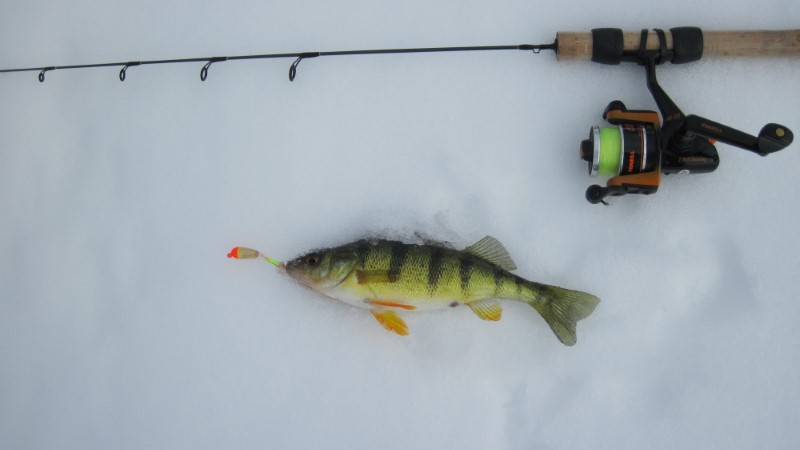
When ice fishing for yellow perch on Raquette Lake, mobility and simplicity are key. Use small jigs tipped with live bait such as minnows, grubs, or spikes (maggots) to attract bites. Drill multiple holes and move frequently to locate active schools, watching your sonar closely to track depth changes and spot fish.
A simple perch rig works best. Use a quality run rig kit with a 1–2 oz lead, a 4–6 lb fluorocarbon hook length, and a size 4–8 hook. This setup is effective for targeting perch under the ice and can significantly improve your catch rate during the winter months.
What Raquette Lake is Known For
- Classic Adirondack lake trout water: DEC lists lake trout among the main fish present.
- Brook trout and salmon mix: Brook trout and landlocked salmon are part of the lake’s identity.
- Ice fishing tradition: DEC says ice fishing is permitted on Raquette Lake.
- Boating and campground access: Golden Beach Campground is the key DEC access point.

Boat Ramps, Boat Launches, Marinas, and Public Access Points
Raquette Lake access should be centered on DEC’s Golden Beach Campground and Day Use Area launch. Keep the village access language only if you can verify it separately; otherwise remove the long driving-directions block and make the DEC launch the primary reference point.


