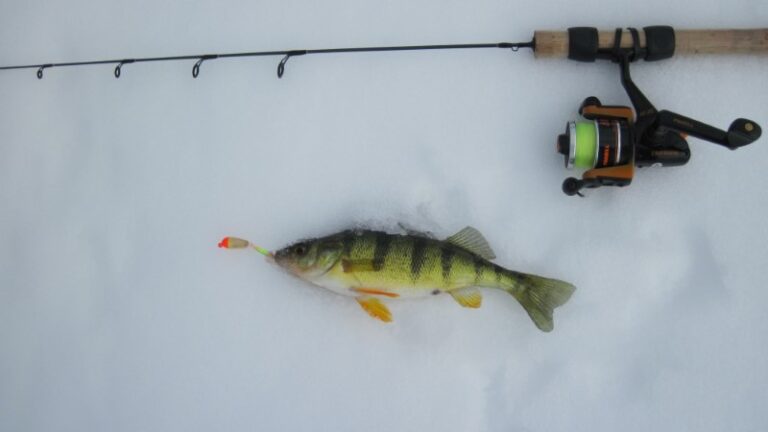
Discover Raquette River Fishing Tips, Seasons & Access Points
Notable fish species found in the Raquette River include brown trout, walleye, northern pike, yellow perch, pumpkinseed, brown bullhead, largemouth bass, and smallmouth bass. The Raquette River, originating at Raquette Lake in the Adirondack Mountains of New York, is a significant waterway stretching 146 miles, making it the third-longest river entirely in New York State. The river flows northward, covering a distance of approximately 174 miles, and has a substantial drainage basin of 1120 miles².

The journey of the Raquette River takes it through various landscapes, offering a range of outdoor experiences from Piercefield to its convergence with the St. Lawrence River east of Massen, NY. The Adirondack region, where it originates, provides a scenic backdrop for anglers and nature enthusiasts.
The river’s proximity to Massena adds an urban touch to the experience, creating a blend of nature and accessibility. The river’s elevation drop of more than 457 meters creates dynamic water conditions, influencing the types of fish species that thrive in its waters.
Learn More – NY’s best fishing spots
At a glance
- Region: Adirondacks to the St. Lawrence River corridor
- Water type: Long river system with reservoirs, impoundments, and canoe-access stretches
- Best access styles: Canoeing, kayaking, shore fishing, hand launches, and selected boat access
- Best-known fisheries: Brown trout, northern pike, walleye
- Other common targets: Yellow perch, smallmouth bass, largemouth bass, bullhead, pumpkinseed
- Regulations: DEC access and easement rules vary by stretch
- Last reviewed: February 2026
Key species in the Raquette River
These FishNY guides are a good starting point for the Raquette River:
- Brown Trout
- Walleye
- Northern Pike
- Yellow Perch
- Smallmouth Bass
- Largemouth Bass
- Brown Bullhead / Catfish
- Pumpkinseed
Best techniques for the Raquette River
Seasonal Fishing Techniques
Spring (March to May)
As spring commences along the Raquette River, anglers eagerly prepare for brown trout, walleye, and northern pike fishing.
The section between Simon Pond and Raquette Falls, characterized by a flat-water river setting and marsh habitats, becomes a prime location for spring fishing enthusiasts.

For brown trout, strategic casting near riverbanks proves effective, especially when accompanied by lures that mimic the natural prey of these elusive fish. Fishing lures with realistic patterns resembling insects or small fish enhances the chances of enticing brown trout in the springtime. Some examples include the wooly bugger fly or Berkley Hit lure.
Walleye, lurking in deeper pools during the spring months, presents an exciting challenge. Walleye fishing with live bait such as minnows,
Summer (June to July)
As summer fishing begins on the Raquette River, anglers can optimize their fishing strategies, especially when fishing for rainbow trout. For rainbow trout, employing spinners, spoons, or small crankbaits in vibrant colors is recommended, as these fish are attracted to flashy and reflective lures. Live bait options such as worms can also prove effective for rainbow trout.

When smallmouth bass fishing, topwater lures like poppers or buzz baits can create exciting bites, while soft plastic baits mimicking crayfish or minnows are productive alternatives. Panfish like perch and pumpkinseed respond well to small jigs.
Northern pike, more active in warmer months, may be enticed by flashy and large artificial lures during the summer season. Anglers exploring the western stretch between Raquette Pond and Setting Pole Dam can leverage flat-water fishing opportunities, utilizing techniques like trolling for rainbow trout or employing topwater lures for smallmouth bass.
Fall (August to November)
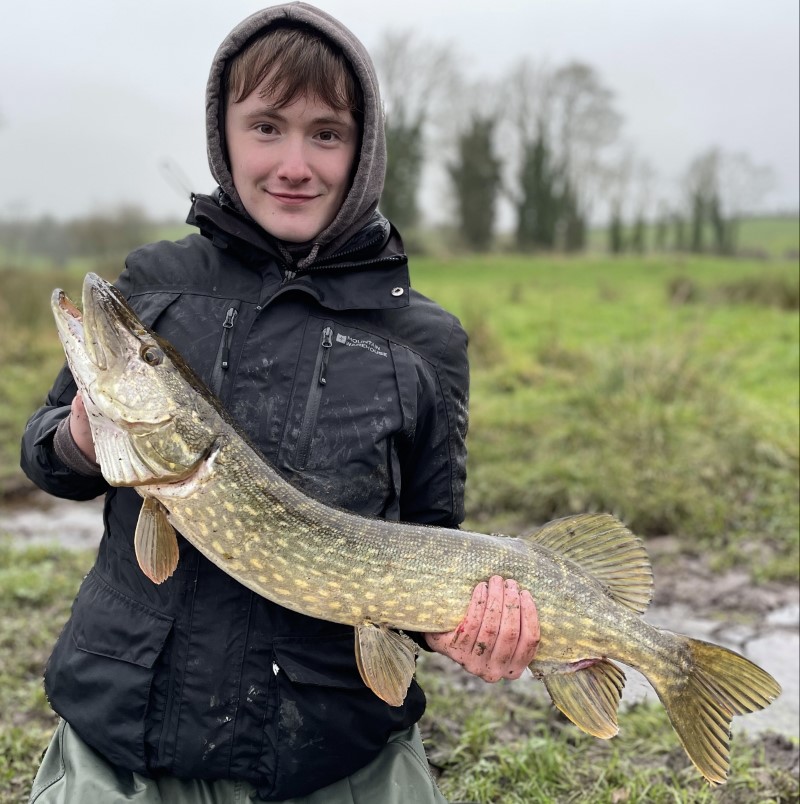
In the fall, the stretch of the Raquette River from Raquette Pond to Setting Pole Dam remains a go-to spot, but attention often shifts to the dynamic confluence where the lake meets the river. This junction offers anglers a standout experience, with largemouth bass and northern pike fishing taking the spotlight during the cooler months.
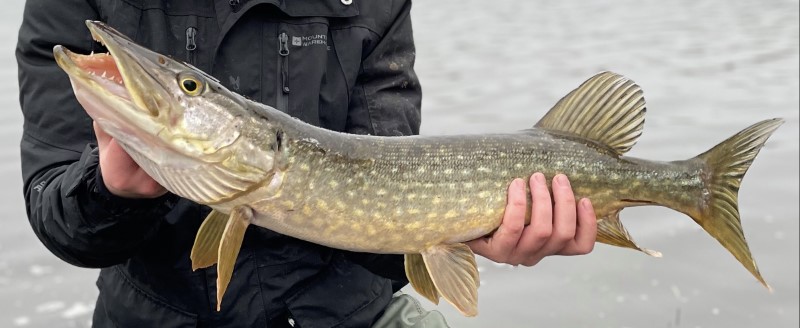
For largemouth bass, working the shoreline with soft plastics that imitate baitfish or crayfish can be especially productive. Meanwhile, large swimbaits or lively live bait are solid choices for fall northern pike, which are increasingly active and aggressive. Carrying a tackle bag equipped with rod protectors helps keep gear in top condition during frequent moves along the bank.
As fall progresses, the south end of Long Lake becomes another prime location for bass fishing. Cooler temperatures and changing water conditions make this area particularly effective when paired with the right tactics. After a successful day on the water, having cutting boards and cleaning mats on hand makes post-fishing prep easier and more efficient—rounding out a rewarding and practical fall fishing experience on the Raquette River.
Winter (December to February)
Winter transforms the Raquette River into a serene and icy landscape, drawing anglers seeking quiet but challenging experience. Ice fishing enthusiasts target rainbow trout, smallmouth bass, panfish, and the potentially larger northern pike.
The south end of Raquette becomes a focal point, and anglers drilling through the snowy weather may find success with tactics like jigging for panfish or using weighted dead bait for northern pike. Safety precautions and knowledge of winter conditions are paramount during this season.
What Raquette River is Known For
- Long Adirondack river system: The Raquette River runs from Raquette Lake to the St. Lawrence River.
- Mixed-species fishing: Brown trout, pike, walleye, bass, and perch all matter in different stretches.
- Canoe and river access: The river is a major canoe-fishing route in the Adirondacks and northern New York.
- Changing access zones: DEC access varies by stretch, with some areas now protected through easements.
Remove the trophy-catch paragraph and the “exceptional fishing experiences” / “premier destination” language entirely.
Boat Ramps, Boat Launches, Marinas, and Public Access Points
Replace the current long launch list with DEC-first access guidance. Some Raquette River stretches have restricted access, and the new easement tract can only be accessed by river because there is no road access.
- NYSDEC: Fishing and Canoeing the Raquette River
- NYSDEC: Raquette River Conservation Easement Tract
- DEC: Raquette River Recreational Access Easement Announcement