
Upper and Lower Niagara River Fishing – Seasons, Articles, Species and Tips
The Niagara River, flowing 36 miles (58 km) from Lake Erie to Lake Ontario, serves as a prominent and diverse fishing destination. This majestic waterway encompasses a vast basin size of 264,000 square miles (684,000 square kilometers) and plays host to a myriad of fish species throughout the year.
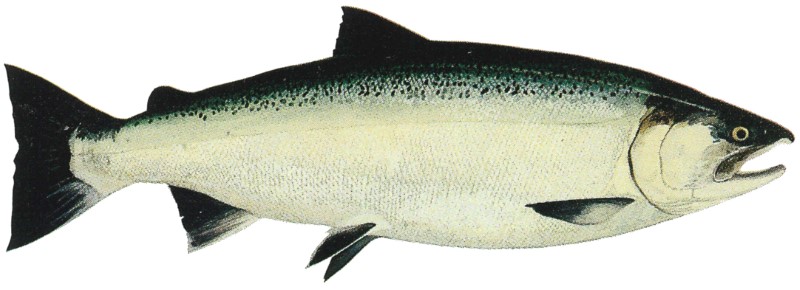
Fisherman can target chinook salmon, coho salmon, northern pike, rainbow trout, and walleye, making the Niagara River a hub for charter fishing boat trips. The river also offers excellent chances to catch lake trout, brown trout, smallmouth bass, largemouth bass, musky, yellow perch, and smelt at various times of the year, showcasing the remarkable fishing diversity that the region has to offer.
With an average elevation of 569 ft (173.43 meters) at Lake Erie and 243 ft (74.1 meters) at Lake Ontario, this waterway is an important connection to the broader Great Lakes system.
Cities and towns adjacent to Niagara Falls are, starting on the US side in the North and moving clockwise, Youngstown, NY, Lewiston, NY, Niagara Falls, NY, Grand Island, NY, North Tonawanda, NY, Tonawanda, NY, Kenmore, NY, and Buffalo, NY. These towns and cities are located in Niagara County and Erie County, New York.
On the Canadian side, beginning at the south end of the Niagara River and moving clockwise are Fort Erie, ON, the Neighborhood of Douglastown, ON, Niagara Falls, ON, and Niagara-On-The-Lake, ON. These locations are in the Canadian province of Ontario.
View other fishing lakes and river in NY
At a glance
- Region: Western New York / Niagara River corridor
- Water type: Upper river, gorge, and lower river system connecting Lake Erie to Lake Ontario
- Best access styles: Shore fishing, drift access, boat launches, and access platforms
- Best-known fisheries: Chinook salmon, steelhead, brown trout, lake trout
- Other common targets: Smallmouth bass, largemouth bass, walleye, northern pike, yellow perch, musky
- Regulations: Great Lakes and Tributaries rules apply in key sections
- Last reviewed: February 2026
Key species in the Niagara River
These FishNY guides are good starting points for the Niagara River:
- Chinook Salmon
- Coho Salmon
- Steelhead
- Brown Trout
- Lake Trout
- Smallmouth Bass
- Largemouth Bass
- Walleye
- Northern Pike
- Yellow Perch
Best techniques for the Niagara River
Upper Niagara River
Before the Niagara River plunges over Niagara Falls, it peacefully flows north for 22 miles (35 kilometers) from Lake Erie. This calmer section has a unique character, with average water speeds of 2 to 3 ft/second (0.6 to 0.9 meters per second) and a wider expanse reaching up to 4,000 ft (1220 meters).
The depth of the Upper Niagara River varies throughout its length, but it generally ranges from 17 feet (5.2 meters) at its shallowest point near the Peace Bridge to 50 feet (15.2 meters) below the Chippawa-Grass Island Pool control structure. Here’s a breakdown of the depth in different sections:
- Buffalo Harbor to Peace Bridge: 17 feet (5.2 meters)
- Peace Bridge to Chippawa Channel: Varies depending on location, but generally deeper than 17 feet (5.2 meters)
- Chippawa Channel: Minimum depth of 10 feet (3 meters) below Chart Datum
- Tonawanda Channel: Deepened to 21 feet (6.4 meters) to Niagara Falls
- Chippawa-Grass Island Pool: Shallow and wide, around 7,000 feet (2,134 meters) wide, but not as deep as other sections
Near Grand Island, the river splits into two channels: the American Channel, facilitating shipping with its 12-foot minimum depth, and the Canadian Channel, offering scenic vistas and wildlife encounters.
Kayaking enthusiasts can tackle the calmer Whirlpool Rapids, while Grand Island provides recreational activities and the Niagara Parks Botanical Garden showcases stunning flora.
Lower Niagara River – Below The Falls
The Lower Niagara River stands out as a year-round fishing hotspot. Its appeal lies in the diverse opportunities it presents across different seasons. The lower Niagara River flows from the base of Niagara Falls north to Lake Ontario. It is about 22 miles (35 kilometers) long and has a drop of about 100 feet (30 meters).
Below Niagara Falls, the Lower Niagara River transforms into a dynamic spectacle. This stretch is a thrilling mix of churning rapids, deep canyons, and powerful currents. Unlike the Upper Niagara, the lower river moves fast with an average speed of 8 to 10 ft per second (2.5 to 3 meters per second), creating an adrenaline-fueled playground for whitewater rafting and kayaking.
Fishing on the Lower Niagara River provides opportunities for salmon and trout fishing, with chinook, coho, steelhead, and brown trout making their seasonal runs (migrations) upstream. Spring and fall witness peak activity, as these powerful fish battle their way towards spawning grounds. Fishermen line the shores and board charter boats, casting their lines with the hope of landing a trophy trout.
The American Rapids and Whirlpool Rapids are prime Niagara River fishing spots, while Devil’s Hole State Park provides scenic access to the river’s edge. Regulations vary depending on the species and season, so ensuring compliance is crucial. Remember, the Lower Niagara River demands respect and preparation, but for skilled anglers, the rewards are well worth the challenge.
Similar to the Upper Niagara River, the depth of the Lower Niagara River also varies throughout its length. Here’s a breakdown of the estimated depths in different sections:
- Niagara Falls (Horseshoe Falls plunge pool): 170 feet (52 meters) – This is the deepest point in the entire Niagara River system.
- Niagara Gorge: 50 to 125 feet (15.2 to 38.1 meters) – The depth varies significantly due to the rugged terrain and rapids.
- Whirlpool: Up to 125 feet (38.1 meters) – The deepest part of the whirlpool basin.
- Lower Niagara River (below Whirlpool Rapids): 40 to 70 feet (12.2 to 21.3 meters) – The depth gradually decreases as the river flows towards Lake Ontario.
- Lake Ontario: Average depth of 243 feet (74 meters)
Seasonal Fishing Techniques by Species
Spring (March to May)
In the spring, the Niagara River fishing offers a diverse array of opportunities. Anglers primarily fish for chinook salmon, coho salmon, and steelhead during this time. As an alternative, brown trout, lake trout, and walleye can also be pursued.
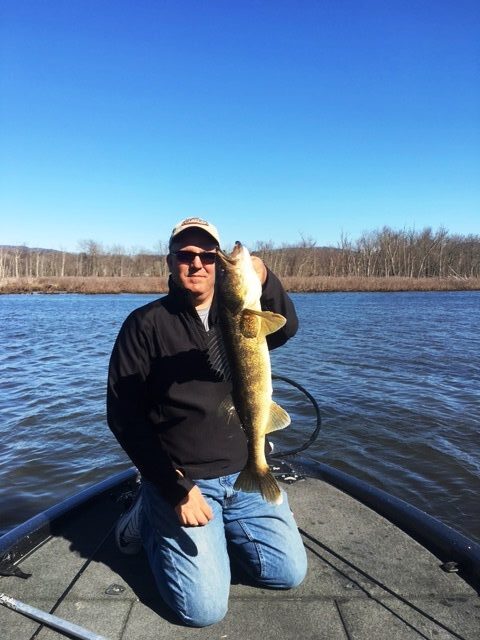
Early spring is ideal for walleye fishing in both the Upper and Lower River sections, while late spring sees a focus on chinook and coho salmon in the Lower River. Steelhead fishing becomes prominent during this period, with anglers using pink egg sacs for bait below the falls.
Techniques such as trolling for salmon and walleye, drift fishing for steelhead, and casting from shore for bass are commonly employed during the spring season.
Summer (June to July)
In the summer months, fishing in the Niagara River remains active. While chinook and coho salmon fishing may taper off, other species like bass, walleye, and trout continue to provide excitement. Lake trout fly fishing is also notable during the summer run.
Bass fishing, particularly small mouth bass, becomes more prevalent in the Upper River during summer. Anglers can also target walleye, especially near Fort Niagara where the river meets Lake Ontario.
Trolling and drift boat fishing are effective techniques for catching walleye, particularly with worm harnesses (a popular fishing rig designed to present live bait, usually nightcrawlers) during the summer months. The slower waters of the Upper River offer excellent opportunities for bass fishing, where anglers can explore weed beds, ledges, and deep holes using a variety of gear. Fly anglers often bring their fly rods and fly reels to target bass and trout in more technical stretches of the river, especially where the current slows. Lightweight fishing vests make it easy to keep essentials on hand, while a well-chosen selection of lures—especially soft plastics and minnow imitations—can make all the difference.

Additionally, shore fishing remains a popular option, allowing anglers to cast upstream and let their lines drift downstream naturally. Various spots along the river, including Whirlpool State Park and Devil’s Hole State Park, offer productive fishing for a variety of species during the summer fishing season.
Fall (August to November)
In the fall, fishing the Niagara River offers a diverse experience. Anglers can target primary species like chinook salmon, steelhead, brown trout, and lake trout, with alternatives including walleye, bass, perch, northern pike, and musky.

Early fall is conducive for chinook salmon and steelhead fishing in the Lower River, and later in the season, the focus shifts to brown and lake trout fishing. Transitioning to the Upper River presents excellent opportunities for smallmouth bass fishing. Additionally, walleye fishing remains productive throughout the fall months.
Winter (December to February)
In the winter months, the Niagara River provides unique opportunities for cold-weather fishing. Anglers can target primary species such as steelhead, walleye, and lake trout, along with alternatives like perch, northern pike, and musky.
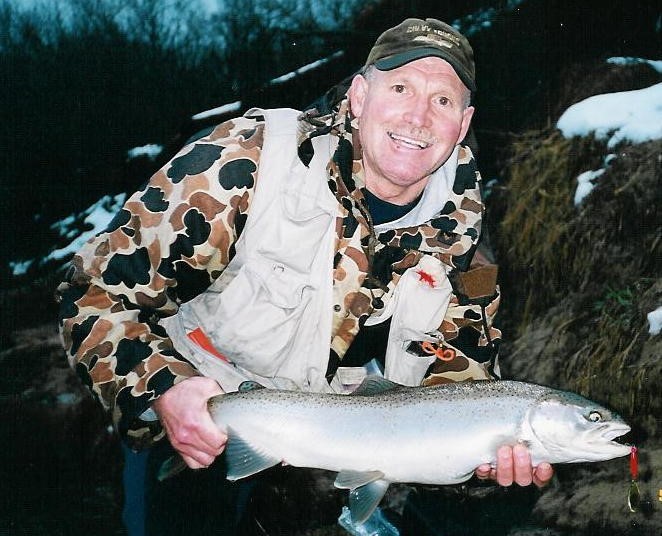
Winter steelhead fishing in the Niagara River remains consistent from November to May, offering a rewarding experience. Walleye fishing is prominent in both the Upper and Lower River during December to February, with a focus on the areas near Fort Niagara.
Despite fishing restrictions for lake trout from October to December, they become a target during the winter months. Ice fishing has become a common technique, allowing anglers to pursue steelhead, walleye, and lake trout in the colder temperatures.
What the Niagara River is Known For
- Upper and lower river fishing: The river offers two distinct fisheries with different access and flow conditions.
- Salmon and trout runs: The lower river is especially known for seasonal salmon and steelhead action.
- Mixed warmwater fishing: Bass, walleye, pike, perch, and musky are important in the upper river and associated waters.
- Public access network: Shore access, state parks, and launch sites are the practical way to fish the river.
Boat Ramps, Boat Launches, Marinas, and Public Access Points
Replace the current scenic access copy with DEC access-map language. The river should be described as a shore-access and launch-driven fishery with different access patterns in the upper and lower river.
- NYSDEC: Fishing the Lower Niagara River
- NYSDEC: Niagara County Boat Launch Sites
- NYSDEC: Erie County Boat Launch Sites


