
Discover Seventh Lake Fishing: Seasonal Tips, History, FAQs
Brown trout, lake trout, landlocked salmon, and rainbow trout, are the primary targets when fishing Seventh Lake. Fishermen can use the state-owned hard surface ramp off NY-28, conveniently located 3 miles east of Inlet, providing parking for 20 trucks and trailers.
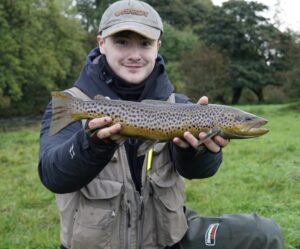
Seventh Lake is a standout feature of the Fulton Chain Lakes, attracting anglers eager to explore its deep, fish-rich waters. With a maximum depth of 93 feet (28 meters), it offers diverse opportunities for targeting multiple fish species.
Two of the lake’s deepest holes are located northwest and northeast of Goff Island, which sits centrally along the lake’s east-west axis, near its southern end. Additionally, three 60-foot holes can be found west of Goff Island. For anglers aiming to locate these productive spots, the use of a GPS unit is highly recommended.
Stretching over 11.2 miles (18.0 kilometers) of shoreline, Seventh Lake provides ample access for casting and exploring less-traveled fishing areas. The lake’s outlet flows into Sixth Lake via a channel that passes under the 7th Lake Road bridge, while its main inlet originates from Eighth Lake, enhancing the connectivity and ecological diversity of the region.
Adding to its appeal, the lake is dotted with islands, most notably Goff Island, situated near the mouth of Wheeler Creek. These features not only enhance the scenic value of the lake but also contribute to a unique and rewarding fishing experience.
Learn more – New York State Fishing Lakes, Rivers, and Streams
At a glance
- Region: Adirondacks / Fulton Chain of Lakes
- Water type: Deep Adirondack trout lake with a public hard-surface launch
- Best access styles: Trailered boat launch, shoreline access, and ice fishing where permitted
- Best-known fisheries: Lake trout, brown trout, landlocked salmon, rainbow trout
- Other common targets: Yellow perch, black bullhead, whitefish, smallmouth bass
- Regulations: Region 5 special fishing regulations apply
- Last reviewed: February 2026
Key species in Seventh Lake
These FishNY guides are good starting points for Seventh Lake:
- Brown Trout
- Lake Trout
- Landlocked Salmon
- Rainbow Trout
- Yellow Perch
- Smallmouth Bass
- Black Bullhead / Catfish
Best techniques for Seventh Lake
Spring (March to May)
In the spring at Seventh Lake, brown trout become a prime target for anglers employing Stonefly Nymphs. These artificial flies mimic the natural prey of brown trout, presenting an enticing option for anglers looking to capitalize on the increased activity of these fish during the season.
Shallow areas near the inlet and channels serve as strategic locations for casting Stonefly Nymphs, taking advantage of the preferred feeding zones of brown trout during their springtime foraging.
Simultaneously, rainbow trout enthusiasts focus on streamer flies to replicate the erratic movements of baitfish. This technique proves effective in areas characterized by moderate water flow and structural elements, providing anglers with an opportunity to engage with the energetic rainbow trout population.

When employing lures, brands like Rapala and Mepps are popular choices among trout anglers. Rapala lures, such as the Rapala Original Floater or Jointed Rapala, are known for their realistic swimming action, imitating wounded baitfish. Mepps, with its iconic spinning lures like the Mepps Aglia, provides an effective option, simulating the vibrations and reflections of small fish.
These lure options offer versatility for fishermen to experiment with different sizes and colors, catering to the preferences of the trout in Seventh Lake.
Additionally, when fishing with live bait, nightcrawlers, minnows, and crawfish are common choices, presented on rigs like Carolina rigs or simple hook-and-bait setups.
Summer (June to August)
In summer, downriggers and trolling prove effective for lake trout. Downriggers ensure precise depth control, presenting lures optimally for these cold-water predators. Anglers navigate depths strategically, however mastering trolling can take time and skill.

Yellow perch remain a key target species throughout the summer. Anglers employ a range of rigs to match conditions and perch behavior: live bait rigs offer a traditional, reliable setup; slip bobbers provide precision along weed edges and drop-offs; Lindy rigs allow for subtle live bait presentations; panfish crankbaits and inline spinners mimic small prey and trigger reaction strikes. This variety enables anglers to adapt and refine their approach as needed.
Targeting submerged structures is essential, as these areas serve as primary holding zones for perch, offering both cover and feeding opportunities. Adjusting techniques based on structure and conditions significantly improves catch rates.
Fall Transition (September–November)
In fall, lake trout remain active near rocky structures and respond well to trolling and finesse casting. Yellow perch shift into shallower waters, requiring tactical adjustments. However, the same rigs used during summer—particularly slip bobbers, live bait setups, and finesse presentations—remain effective as perch behavior evolves with cooling temperatures.

Black bullhead, often overlooked, can be enticed with the same baits as channel catfish, including cut bait, chicken livers, blood-soaked meal, or other pungent baits. Bottom fishing techniques add diversity to the fall angling experience.
Winter (December to February)
targeted in deeper areas using tip-ups rigged with live bait or artificial lures. For yellow perch, jigging near submerged structures and along drop-offs yields consistent results.
Smelt may also be encountered during the season, adding variety to the winter fishing experience.
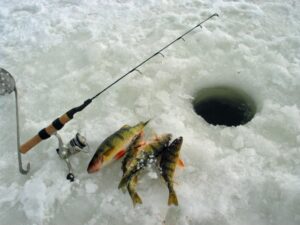
Safety is paramount when venturing onto the ice. Always verify ice thickness before travel and use appropriate safety gear, including ice picks, throw ropes, and personal flotation devices (PFDs). Portable shelters with heaters can enhance comfort, but proper ventilation and equipment maintenance are critical to avoid carbon monoxide buildup. These precautions help ensure a productive and secure outing on Seventh Lake’s frozen surface.
What Seventh Lake is Known For
- Fulton Chain trout fishery: Seventh Lake is one of the better-known lake trout waters in the chain.
- Brook trout / salmon mix: The lake’s fishery also includes brook trout and landlocked salmon.
- Ice fishing: DEC says ice fishing is permitted on Seventh Lake.
- Public launch access: The Route 28 launch is the main official access point.
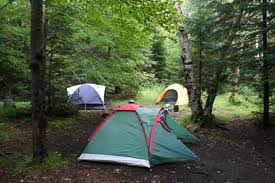
Boat Ramps, Boat Launches, Marinas, and Public Access Points
Seventh Lake access should be centered on the DEC launch on Route 28, 3 miles east of Inlet. Keep the access section short and factual.


