
Sandy Pond, NY Fishing Handbook: Tips for Every Season
Sandy Pond is located in Oswego and Jefferson Counties, New York. It is made up of North Sandy Pond with a max depth of 15 feet and Renshaw Bay at its northern end and South Sandy Pond with a max depth of 21 feet. Its varied depths create perfect habitats for species like largemouth bass , northern pike, walleye, yellow perch, bowfin, and more. The pond’s wide array of fish is influenced by its connection to Lake Ontario to the lake ontario page the slug will be through a channel just west of Carl Island, making it an exciting spot for beginners and seasoned anglers alike.
See all the best New York Fishing Spots

At a glance
- Region: Central NY & Finger Lakes (Oswego & Jefferson Counties)
- Water type: Shallow pond system (North Sandy Pond & South Sandy Pond) connected to Lake Ontario by channel
- Best access styles: Shore and small-boat fishing; ice fishing in winter when safe
- Common targets: Largemouth bass, northern pike, walleye, yellow perch, panfish
- Regulations: Sandy Pond has special regulations for yellow perch; Lake Ontario seasons/limits apply to other species (see DEC)
- Last reviewed: February 2026
Key species in Sandy Pond
These FishNY guides are good starting points for planning a Sandy Pond trip:
Best techniques for Sandy Pond
- Shore fishing (docks, edges, and access areas)
- Trolling (useful for covering water for walleye/pike)
- Jigging (common for perch and working edges/holes)
- Bait fishing (often productive for panfish and catfish)
- Ice fishing (where safe/allowed)
- Night fishing (confirm local rules; low-light windows can be productive)
Seasonal Fishing Techniques by Species
Spring (March – May)
Spring’s warmer temperatures draw bass and walleye to shallower waters. For bass, areas around submerged structures are hotspots. Spinnerbaits, crankbaits, and soft plastics mimic the movement of their natural prey, increasing your chances of a catch. Walleye prefer cooler waters and can often be found at the edge of deeper areas. Trolling slowly with crankbaits and live minnows can be particularly effective as walleye move towards spawning areas.

Summer (June – August)
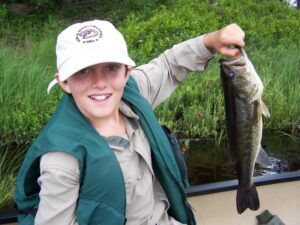
This season is ripe with fishing opportunities on both North and South Sandy Pond. Largemouth bass, often found near the surface, can be enticed with poppers and frog lures. Northern pike, lurking in deeper, cooler parts, respond well to jerkbaits and spoons. For walleye, try trolling along thermoclines where they often congregate. And for yellow perch, small jigs tipped with live bait near weed beds can lead to a successful day.
Fall (September – November)
Fall brings a feeding frenzy as fish prepare for winter. Largemouth bass are more aggressive, making swimbaits and large worms effective. For northern pike, target areas with less boat traffic where they hunt. Walleye, now moving to shallower waters, can be caught with crankbaits and nightcrawlers, especially during dusk and dawn.
Winter (December – February)

Ice fishing transforms Sandy Pond into a winter fishing haven. Target northern pike and yellow perch using vibrant tip-ups baited with minnows and jigs tipped with live bait. Ice fisherman are often found near a 11-12 foot hole just south of the Elms Golf Course and Restaurant. Another popular ice fishing spot on North Sandy Pond, often thick with ice fishing shelters, can be found at the northern end of Ontario Avenue just out past the access point.
Remember, safety first: always check ice conditions before venturing out.
What Are North Sandy Pond & South Sandy Pond Known For?
- Shallow-water fishing with big-pond variety: North and South Sandy Pond offer weedy edges, bays, and basins that support both warmwater species and strong panfish action.
- Known for perch and pike opportunities: The pond is popular year-round, including ice season when conditions are safe.
- Connection to Lake Ontario: A channel connection to Lake Ontario influences seasonal movement and adds to the pond’s variety.
For official access information and special regulations (including Sandy Pond yellow perch limits), start with NYSDEC:


