
Great Sacandaga Lake Fishing Guide: Seasons, Tips, and Record Catches
Located in the southern Adirondacks, Great Sacandaga Lake is one of New York’s most versatile and productive fisheries.
Great Sacandaga Lake is home to largemouth bass, smallmouth bass, yellow perch, brown bullhead, northern pike, walleye, redbreast sunfish, rock bass, brown trout, rainbow trout, channel catfish, common carp, smelt, and black crappie.
This rich species diversity supports everything from casual shoreline fishing to more technical approaches like trolling, jigging, and fly fishing.
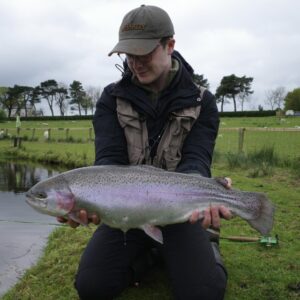
This expansive body of water spans approximately 24,707 acres and boasts an impressive shoreline length of 115 miles, providing ample opportunities for anglers to explore its beauty. The lake is surrounded by charming towns, including Broadalbin, Mayfield, Northville, and Hadley, NY, each offering a unique blend of local culture and hospitality to visitors.
With a mean depth of 32 feet and a maximum depth of 74 feet, the lake provides an ideal environment for both novice and seasoned fishermen alike.
Other great fishing spots in NY
At a glance
- Region: Adirondacks / Fulton County and Saratoga County
- Water type: Large reservoir with warmwater and coldwater fisheries
- Best access styles: Trailered boat launches, shore access, and winter ice fishing where safe
- Best-known fisheries: Northern pike, walleye, bass
- Other common targets: Yellow perch, crappie, trout in select stretches, panfish
- Regulations: Great Sacandaga Lake is covered by DEC special regulations
- Last reviewed: February 2026
Key species in Great Sacandaga Lake
These FishNY guides are good starting points for Great Sacandaga Lake:
Best techniques for Great Sacandaga Lake
Seasonal Fishing Techniques by Species:
Spring (March to May)
In spring, anglers on Great Sacandaga Lake notice a distinct shift as temperatures begin to climb during the warmer evenings. Trout—especially brown and rainbow trout—become increasingly active near the surface, exhibiting a feeding behavior known as “rising.” This occurs as warming waters trigger insect hatches, drawing trout upward to feed in the cooler, dusk-lit hours.
Targeting trout during these times can be especially productive, with brown trout known to feed up to three times more at night than during the day. Brook trout and landlocked salmon also become more active in spring, adding diversity and excitement to the catch. Many successful anglers focus on the lake’s shallower zones and near inlets, where slightly warmer water draws in feeding fish.
Live bait such as minnows or worms remains a classic choice, while trolling with bright-colored lures or spoons can also be highly effective for enticing trout in open water. RC bait boats have become increasingly popular for placing rigs with precision, especially when fishing from shore or near structures. Carefully positioned rigs—such as slip sinker or float rigs—help present bait naturally in areas where fish are actively feeding.
To make the most of these long spring sessions, anglers often bring along fishing comfort gear like portable chairs, coolers, and rod holders. These simple additions can make time on the bank more enjoyable, especially during evening and night outings when patience pays off. Early spring also marks a prime window to target northern pike, which move into the warming shallows to feed aggressively after ice-out.

Summer (June to August)
In the summer months at Great Sacandaga Lake, fishermen can pursue brown and rainbow trout as well as the lake’s natural population of walleye. The Rapala Original Floating Minnow is a staple for trolling, mimicking the appearance of injured baitfish and proving enticing to both trout and walleye in deeper waters.
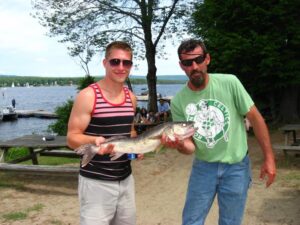
Its realistic action can trigger strikes from these hard to find species. Additionally, the Mepps Aglia Spinner is a favored choice for casting near weed beds and structures. Its vibrant colors and blade action make it an excellent lure option for enticing aggressive strikes, providing fishermen with a versatile and effective tool for summer trout fishing on Great Sacandaga Lake.
When it comes to fly fishing and the selection of the best flies, the bloody butcher wet fly pattern stands out as a reliable choice for summer trout fishing. Its versatility allows anglers to mimic various aquatic creatures, making it effective in both still and moving waters.
The wooly bugger available in olive, black, and brown color variations appeals to the diverse preferences of trout. Whether cast or drifted, this wet fly pattern or streamer is known for triggering strikes from trout and other predatory fish, adding an exciting dimension to summer trout fishing at Great Sacandaga Lake.
Fall (September to November)
Fall marks a transition period for Great Sacandaga Lake fishing, and it’s an exciting time for anglers. Brown and rainbow trout remain active, but the spotlight turns to landlocked salmon and the continuation of walleye fishing. The lake’s shallower areas become strategic locations, especially during fall salmon runs.

Planning board trolling with spoons or spinners can be effective for targeting salmon. As the temperatures drop, northern pike becomes more active, and casting near structure-rich areas becomes key. Fall is an excellent fishing season for anglers seeking a mix of trout, salmon, walleye, and northern pike.
Winter (December to February)
During the winter months, fishing Great Sacandaga Lake transforms into ice-fishing. While brown and rainbow trout can still be targeted beneath the ice, ice fishermen often focus on the lake’s northern pike population.

Set up tip-ups with live bait or large shiners near weed beds and underwater structures for a chance at landing trophy pike. Additionally, ice fishermen may encounter walleye in deeper holes. Patience and strategic positioning on the frozen Great Sacandaga Lake are crucial for successful ice fishing during this serene winter period.
What Great Sacandaga Lake is Known For
- Large reservoir fishery: Great Sacandaga is a major Adirondack reservoir with strong pike, walleye, and bass fishing.
- Ice fishing: The lake is known for winter access and ice fishing when conditions are safe.
- Public access network: Multiple DEC launches make the lake broadly fishable.
- Flood-control history: The lake’s reservoir character shapes the shoreline and boating access.

Boat Ramps, Boat Launches, Marinas, and Public Access Points
DEC provides four boat launches on Great Sacandaga Lake. The main public access points include Northville, Broadalbin, Northampton Beach, and Town of Day.
- NYSDEC: Great Sacandaga Lake
- NYSDEC: Fulton County Boat Launch Sites
- NYSDEC: Saratoga County Boat Launch Sites


