
Canadice Lake Fishing – Fish Species, Seasons, Access, & FAQs
Fishing on Canadice Lake offers anglers the opportunity to pursue many different fish species including lake trout, yellow perch, brown trout, rainbow trout, chain pickerel, northern pike, largemouth bass, smallmouth bass, brown bullhead, panfish (like bluegill and pumpkinseed), and Atlantic salmon. With its clear waters and abundant fish life, Canadice Lake provides a serene escape and a chance to reel in impressive catches. It truly stands as one of Ontario County’s most beautiful fishing spots.
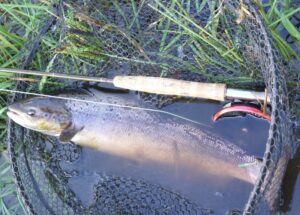
“Located in the Town of Canadice, the lake stretches about 3 miles long, reaches up to 0.3 miles wide, and plunges to a maximum depth of 95 feet. It’s part of the Finger Lakes region in upstate New York, sharing its distinctive aquatic ecosystem with several other well-known lakes in the area.
Learn more about NY’s best fishing spots
At a glance
- Region: Central NY & Finger Lakes (Ontario County)
- Lake character: Small Finger Lake with cold, clear water and strong trout habitat
- Best access styles: Shore access, cartop launches, and small boats
- Best-known fisheries: Lake trout, brown trout, rainbow trout, and Atlantic salmon
- Other common targets: Yellow perch, northern pike, largemouth bass, smallmouth bass, chain pickerel, brown bullhead, panfish
- Regulations: Canadice Lake is covered by Finger Lakes and Tributaries Special Regulations
- Last reviewed: February 2026
Key species in Canadice Lake
These FishNY guides are a good starting point for Canadice Lake:
- Lake Trout
- Brown Trout
- Rainbow Trout
- Atlantic Salmon
- Yellow Perch
- Northern Pike
- Largemouth Bass
- Smallmouth Bass
- Chain Pickerel
- Brown Bullhead
Best techniques for Canadice Lake
- Trolling (especially for trout and salmon)
- Jigging (perch, trout, and deep-water presentations)
- Shore fishing (around the east-side access points)
- Bait fishing (bullhead, perch, and mixed warmwater fishing)
- Ice fishing (where safe and allowed)
- Fly fishing
Seasonal Fishing Techniques by Species
Spring (March – May)
As spring unfolds on Canadice Lake, largemouth bass and smallmouth bass become increasingly active. During this period, these species migrate towards shallower waters for spawning.
Anglers seeking success in spring can employ straightforward yet effective techniques that combine the right gear with strategic presentation. As the weather warms and bass move into shallower waters to spawn, a thoughtful approach becomes key. Wearing a lightweight cap and polarized sunglasses helps anglers cut glare and spot fish more easily beneath the surface, giving them a visual edge when targeting active areas. Waders allow access to otherwise unreachable shoreline spots, letting anglers quietly position themselves near submerged structures where bass are most likely to be guarding nests.
While traditional gear like spinning setups remain effective, fly rods offer a unique advantage when paired with subtle soft plastics or streamers that imitate natural prey. Plastic worms, for example, mimic the movement of vulnerable forage and can be especially deadly when flipped near cover or dragged slowly across beds.
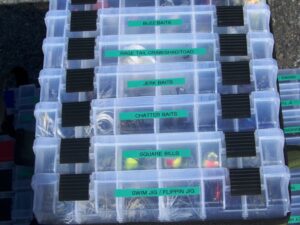
Jerkbaits and spinnerbaits are additional go-to options, providing enticing movements that trigger strikes from these territorial bass. In addition to bass, chain pickerel, brown bullhead, and yellow perch also show increased activity in the shallows during spring. Live bait, such as worms or minnows, prove effective in enticing bites from these species.
Summer (June – August)
Largemouth bass and smallmouth bass maintain their activity levels, providing fishermen with continued chances for success. In the summer months, transitioning to topwater lures, crankbaits, and jigs can yield positive results for bass enthusiasts.
For those targeting chain pickerel, weedy areas become key locations during the summer.
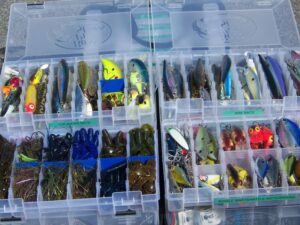
Soft plastics excel in these environments, providing a reliable means of attracting bites. Additionally, panfish like bluegill and pumpkinseed become more active. Anglers can use small jigs or live bait near structures to entice these panfish during their summer feeding patterns.
Fall (September – November)
As the crisp air of fall descends upon Canadice Lake, it marks a season of heightened activity and strategic fishing. Largemouth bass and smallmouth bass intensify their feeding habits, preparing for the impending colder months.
Chain pickerel fishing remains productive during the fall, and experienced fishermen often find success employing spinnerbaits, especially in weedy areas. The lure’s motion can trigger strikes from the opportunistic chain pickerel.
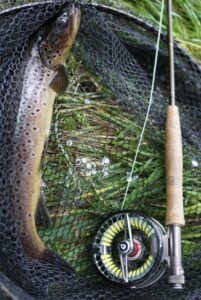
For those seeking to catch brown trout and lake trout, fall fishing is prime time. These trout species become more active in the cooler waters, offering anglers an exciting opportunity.
Pairing trolling rods with planner boards, spoons or using live bait can be highly productive.
Winter (December – February)
As winter blankets Canadice Lake in a thick layer of ice, a distinctive and rewarding fishing experience emerges for cold-weather anglers. Ice fishing here, permitted in designated areas, draws in those eager to pursue trout and pickerel lurking beneath the frozen surface. Success often hinges on using the right gear—ice fishing jigs or tip-ups rigged with live bait are time-tested tools for enticing bites in these frigid conditions.

Equally important are the tools that support a smooth and responsible catch. Compact fishing nets make it easier to retrieve wriggling fish through tight ice holes without losing them at the surface. Once landed, pliers are essential for safely removing hooks, especially with cold fingers and barbed tackle. For those practicing catch-and-release or monitoring slot limits, a fishing ruler ensures quick, accurate measurements without unnecessary handling of the fish.
What Canadice Lake is Known For
- Cold, clear water: Canadice is known for its cold, highly oxygenated water and strong trout habitat.
- Trout and salmon fishing: Lake trout, brown trout, rainbow trout, and Atlantic salmon are the headline species on this lake.
- Low-key access: The lake has limited, simple access and a quiet feel compared with larger Finger Lakes.
- Reservoir character: Canadice is part of Rochester’s water-supply system, which shapes how the shoreline and recreation are managed.
For current access and regulations, start with NYSDEC’s Canadice Lake page and the Finger Lakes and Tributaries Special Regulations page.
Boat Ramps, Boat Launches, Marinas, and Public Access Points
DEC says public boat access on Canadice Lake is available on the east side near the intersection of Canadice Road and Birch Hill Road, via an unimproved gravel ramp. A cartop launch is also available farther south, and the lake is managed as part of the Hemlock-Canadice watershed system.


